
Shontae Walker, LSW
She/Her | Dance-expressive arts therapist| Queer affirming| Trauma Expert
📧 Shontae@neurobloommhc.com
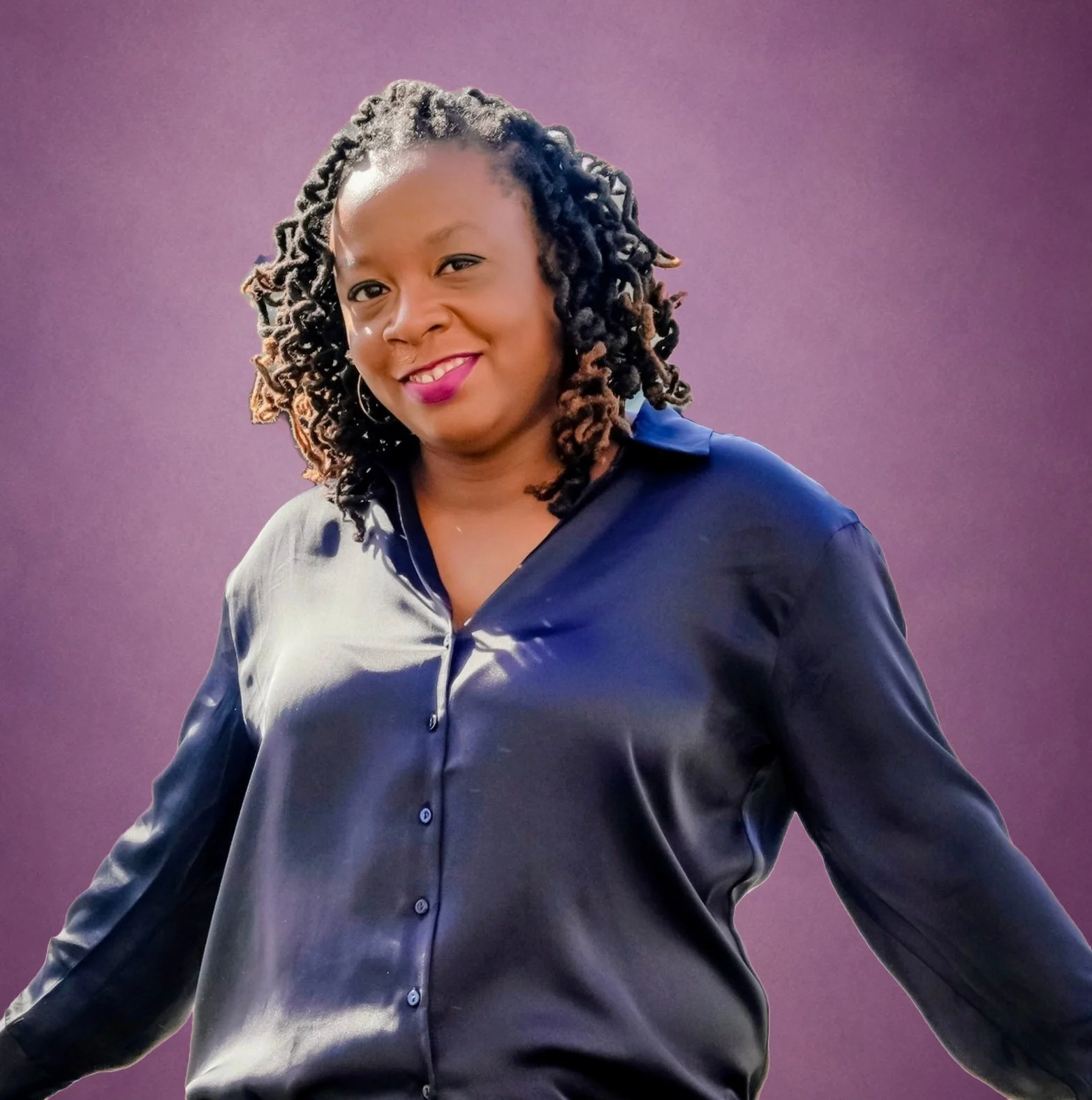
Shontae is a licensed social worker turned emerging dance/movement therapist whose work centers on embodiment, creativity, and authenticity. She holds an MA in Social Science specializing in Dance/Movement Therapy and Community Practice and an MS in Organizational Leadership/Development. In addition, she holds a BA in Social Work, accompanied by a Certificate in Dance. She brings her experience in social services and collective community care into the therapy space. As a trained facilitator and therapist, Shontae uses movement and dialogue to create a safe and affirming space where you can explore your emotions, strengthen self-awareness, and move toward healing at your own pace and in your own way.
Insurance & Cost:
BCBS PPO
Aetna PPO
Cigna
Private Pay/Sliding Scale Options
Medicaid Panelling Coming Soon
Ask About Sliding Scale Options
Modalities:
BIPOC mental health counseling, expressive arts: dance/movement, arts,; Mindfulness, Narrative therapy
Person centered, play based, and strengths based
Nervous System Regulation & NeuroPlasticity
Person-Centered, Strengths Focused & Attachment-Based
Specialties:
anxiety disorders
communication issues
coping skills, depression, emotional regulation, grief & loss, life stressors, life transitions,
neurodivergence, relationship issues, self esteem, stress management,
burn out, trauma, and women issues
Q&A
-
I enjoy working with neuro-spicy college and grad students, Black women, and caregivers navigating life’s transitions. I’m honored to walk alongside clients as they explore their shifting identity, self-worth, self-compassion, relationships, and the impact of cultural and societal expectations—helping them feel seen, understood, and more at home in who they are.
-
Movement and/or creativity can give clients another language for experiences that may be difficult to put into words. Our bodies hold emotions, memories, or stories before we have the language to describe them, so moving helps you dive deeper into those areas and connect with yourself in a way that strictly talking does not.
-
You do not need to be a dancer, artist, coordinated, or "creative" to benefit from expressive arts therapy. You just need a willingness to be curious and open to your own process.
-
My approach is flexible and tailored to you. In our first session, we’ll get to know each other, talk about your needs and comfort level, including sensory sensitivities, movement, or disabilities, and discuss what this work might look like for you. Sessions may begin with stillness and breathwork as a gentle way of connecting with your body. We’ll take it at your pace, building awareness and comfort without pushing you beyond what feels manageable.
-
As a black neurodivergent, heterosexual woman and a first-generation college graduate, my identities and lived experiences shape my commitment to creating a space where clients, especially those from historically marginalized communities, feel seen, affirmed, and understood without having to minimize or explain parts of themselves. I approach each client with cultural humility and curiosity, honoring the ways all of your intersecting identities shape experiences.
-
One small practice that helps me reconnect with my body and regulate my nervous system is engaging in breathing prayers; a way for me to empty my brain and heart and fill up my heart and mind spiritually
-
I would say my therapeutic style is like an old-school hip hop song that is real, grounded, and layered with a warm, soulful neo-soul vibe. I’ll challenge you to face the parts of yourself you’d rather hide because of the ways you may have had to, while sitting with the parts of you that show up every day. Together, we find the rhythm between the two, creating space for you to find a dance, a rhythm with all parts of you.
-
The song that always has me dancing is "Square Biz" by Teena Marie. Currently my everyday jam, when I'm in my head
-
My current comfort show is the reality tv show, "Married At First Sight"
-
My cultural grounding and lived understanding of moving through multiple identities guide my pacing, my attunement to nervous system safety, and my commitment to meeting clients with both clinical skill and deep respect for their lived realities.
-
A small source of joy that I encourage others to try is taking yourself out on a date at least 1x/month