Jasmine Bentacourt, LCSW
She/Her | Trauma-Informed Psychotherapist | Grief & Loss | Caregiver Support | Aging & Life Transitions
📧 Jasmine@neurobloommhc.com





Jasmine's therapeutic approach is collaborative, grounded, and practical. She blends evidence-based interventions with genuine curiosity about who you are and what you're experiencing. Whether you're trying to understand patterns that keep showing up, process something painful, establish healthier boundaries, or find your footing during a major transition, Jasmine works alongside you to identify meaningful and manageable steps toward change.
Insurance & Cost:
For eligible Blue Cross Blue Shield of Illinois, Aetna, and Cigna PPO or HMO plans, confirm this clinician’s participation before your first paid session.
Accepts eligible UnitedHealthcare and Optum plans.
Cigna
Private Pay/Sliding Scale Options
Medicaid Panelling Coming Soon
Ask About Sliding Scale Options
We believe quality mental health care should be accessible. Have questions about pricing or payment options? We'd love to help you explore what works for you!
Modalities
Cognitive Behavioral Therapy (CBT):
Acceptance and Commitment Therapy (ACT):
Mindfulness-Based Interventions:
Motivational Interviewing (MI):
Strengths-Based Therapy:
Solution-Focused Brief Therapy (SFBT):
Person-Centered Therapy (PCT)
Dialectical Behavioral Therapy (DBT)
Specialties:
Anxiety, Stress & Emotional Well-Being
Trauma & PTSD
Grief, Loss & End-of-Life Care
Caregiver Stress & Burnout
Aging & Older Adult Mental Health
Life Transitions & Relationship Challenges
Substance Use & Addiction
Bipolar Disorder
Chronic Illness & Health-Related Adjustments
Q&A
-
I enjoy working with neuro-spicy college and grad students, Black women, and caregivers navigating life’s transitions. I’m honored to walk alongside clients as they explore their shifting identity, self-worth, self-compassion, relationships, and the impact of cultural and societal expectations—helping them feel seen, understood, and more at home in who they are.
-
I hope people feel heard, respected, and comfortable being themselves. You don't need to arrive with everything organized or know exactly what you want to say.
I approach people's experiences with curiosity rather than judgment, while recognizing the strengths they already bring to the challenges they're facing.
Building trust takes time. I see therapy as a partnership where we work together to understand what's happening, what matters to you, and what might help.
-
Feeling stuck can happen for many reasons. Fear, competing responsibilities, uncertainty, and patterns we've relied on for years can all make change difficult.
I approach these experiences with curiosity. Together, we can explore what's getting in the way, identify the strengths and resources you already have, and find a manageable place to begin.
Change doesn't have to happen all at once. Sometimes finding one realistic starting point can help you build momentum.
-
I believe understanding what you're experiencing and figuring out what to do next are both important parts of therapy.
Sometimes we need space to acknowledge what's happened and how it's affected us before moving into problem-solving. At the same time, I recognize that responsibilities and everyday challenges don't simply pause while we're processing difficult emotions.
My goal is to help you make sense of your experiences while identifying manageable steps that fit your life, priorities, and capacity.
-
A satisfying day is a balance of making time for myself and spending time with the people I love.
I enjoy hot yoga, being in nature, and playing outside with my kids when the weather is nice. I'm definitely not a cold-weather person!
I also love being home, cooking, baking, and spending time with family and friends.
For me, a good day includes doing things I enjoy, getting outside, and having time to relax and connect with the people who matter most to me.
-
Our relationships and responsibilities can shape how we see ourselves and what we believe we're allowed to need.
Sometimes people become so accustomed to meeting expectations, keeping the peace, or caring for others that recognizing their own limits becomes difficult. I see this frequently in caregiving relationships.
In therapy, we can explore where these patterns come from, how they're affecting you, and what you might want to approach differently. I want to help people find ways to honor their own needs and values while navigating their relationships and responsibilities.
-
My career has taken me through several areas of healthcare and social services, beginning as an EMT and paramedic before moving into hospice care, psychiatry, and eventually social work.
Throughout these experiences, I've worked with vulnerable populations, including older adults, people living with physical disabilities and serious mental health conditions, individuals experiencing memory-related changes, and caregivers supporting loved ones.
These experiences taught me the importance of looking at the whole person. Our health, relationships, environment, and access to support all influence our well-being.
What keeps me connected to this work is the opportunity to meet people where they are, understand their individual experiences, and support them as they navigate life's challenges.
-
Our first sessions are about getting to know you, understanding what's bringing you to therapy, and exploring what you hope might change.
We'll look at your concerns within the larger context of your life, including relationships, responsibilities, stressors, and existing sources of support.
You don't need to have clear goals or all the answers before we begin. Figuring those things out can be part of the process.
Together, we'll develop an approach that feels relevant to your needs and realistic for your circumstances.
-
I believe it's important to understand people within the context of their lives.
Financial pressures, work demands, family responsibilities, health concerns, caregiving, discrimination, and barriers to resources can all affect mental health and the options available to someone.
My background in healthcare and social work has reinforced the importance of considering these realities alongside emotional well-being.
In therapy, I want to understand what you're navigating, recognize the factors contributing to your stress, and explore both your personal strengths and the supports that may help.
-
I believe understanding the whole person matters more than focusing on a single problem or moment in their life.
Our experiences, relationships, environment, responsibilities, and available resources all influence how we navigate challenges.
My work with older adults and people experiencing changes in their health or circumstances has reinforced the importance of seeing the person beyond what they're struggling with.
People often have strengths that become difficult to recognize when they're overwhelmed. Therapy can be an opportunity to reconnect with those strengths and identify a more intentional and sustainable way forward.
-
One useful starting point is learning to pause and get curious about what's happening before automatically reacting. It sounds small but can make a compounding difference overtime.
Mindfulness can help us create some space between what we're experiencing and how we respond.
When you're feeling overwhelmed, try asking yourself:
What am I feeling right now?
What might be contributing to this feeling?
What do I need?
What's one thing I can reasonably do next?
These questions can help you recognize patterns, clarify your needs, and respond more intentionally. They won't resolve every difficult situation, but they can help you feel more grounded as you consider your what comes next.
 A Night in SudanNovember 14, 2026
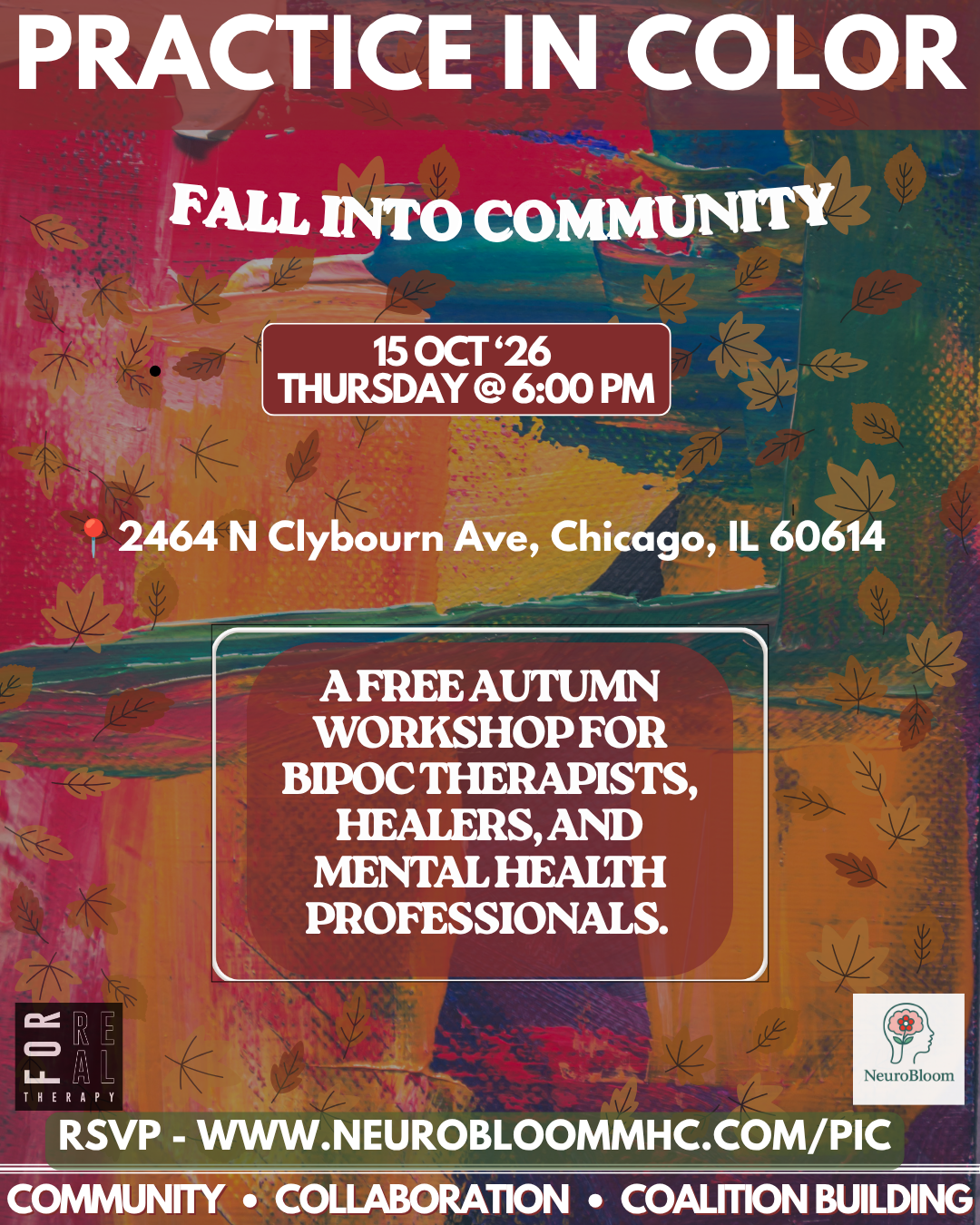 Practice in Color: Harvesting CommunityOctober 15, 2026
 Parallel OrbitOctober 11, 2026
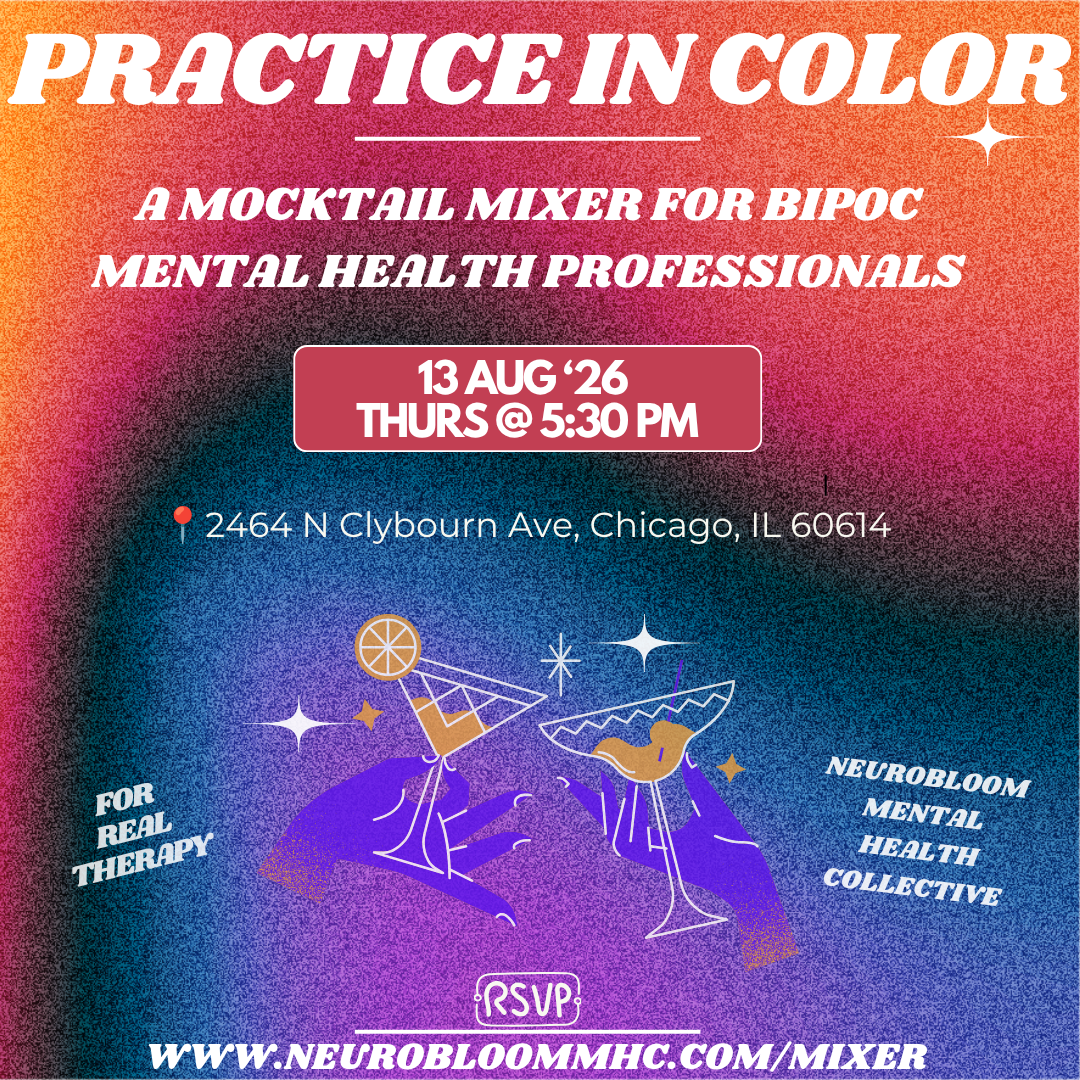 Practice in Color Mocktail MixerAugust 13, 2026
 Paris Is Burning: Pride Movie NightJune 24, 2026
 Dare to Dream: A Juneteenth Collective Futures LabJune 17, 2026
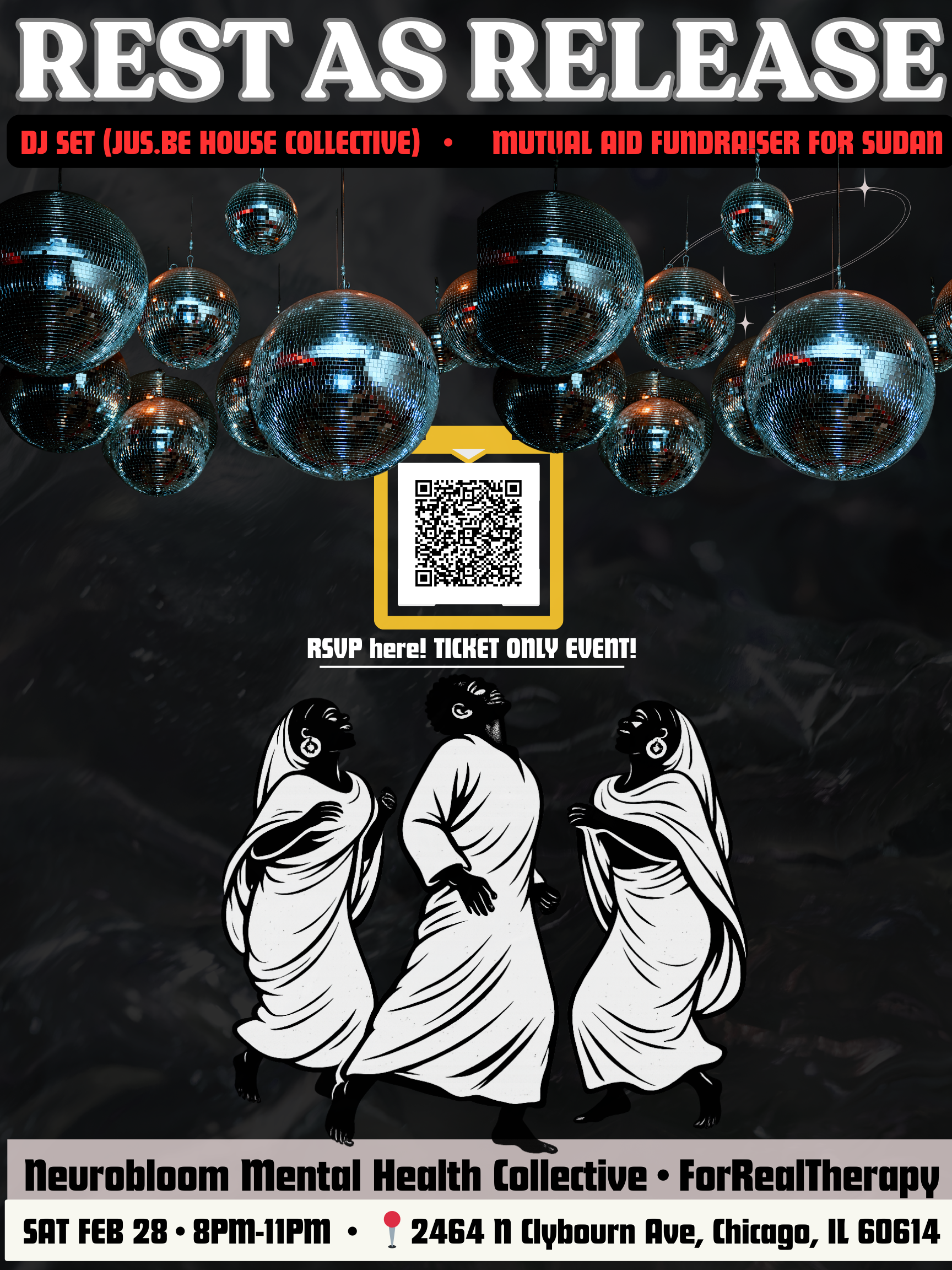 REST as Release: DJ Set and Collective Dance PartyFebruary 28, 2026
 REST as Remembrance: Sudanese Film Screening and Q&AFebruary 21, 2026
 REST as Reclamation: Sudanese Poetry WorkshopFebruary 14, 2026
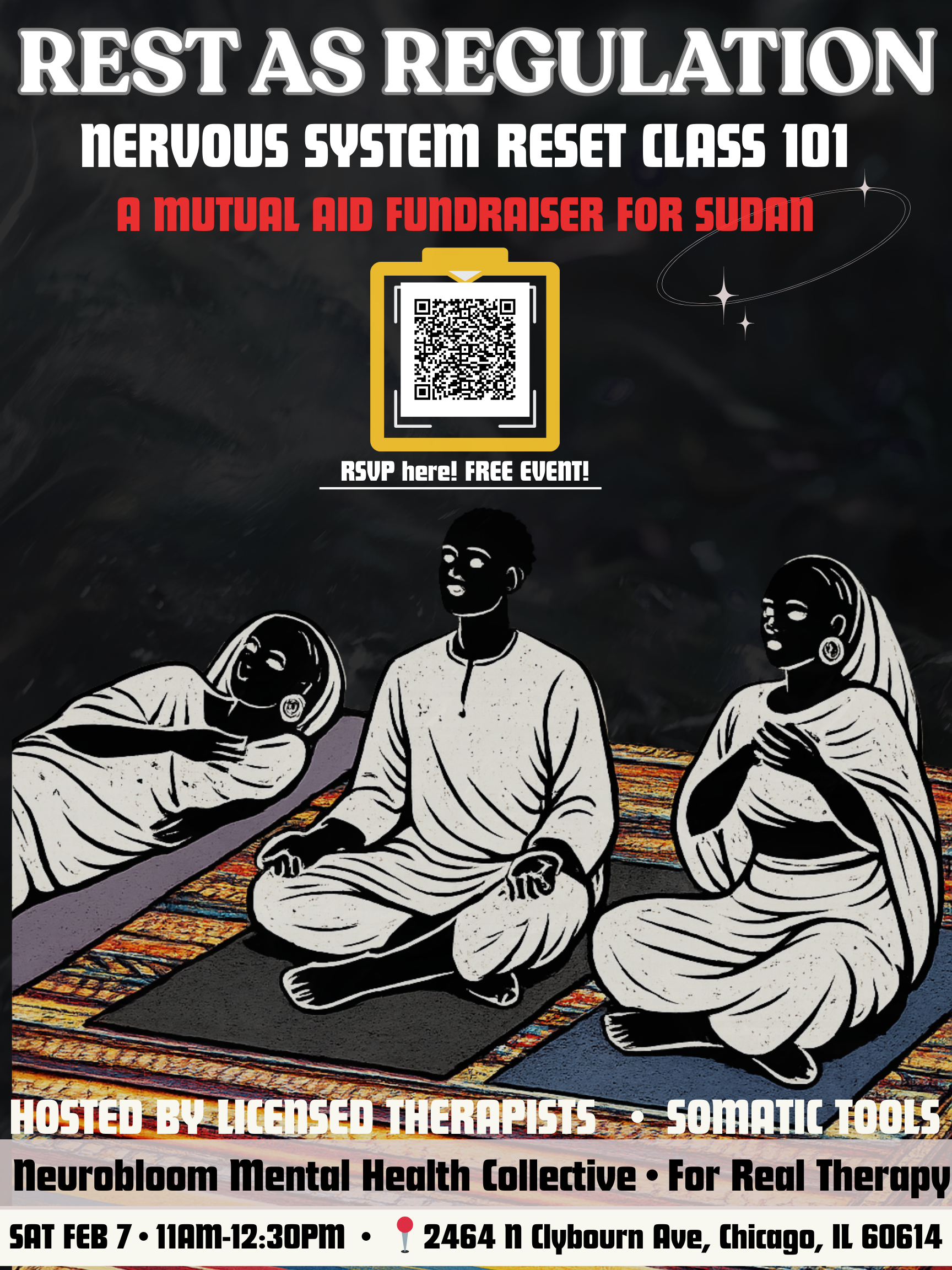 REST as Regulation: Nervous System Reset ClassFebruary 7, 2026
 REST as Resistance: Black Therapist PanelFebruary 1, 2026